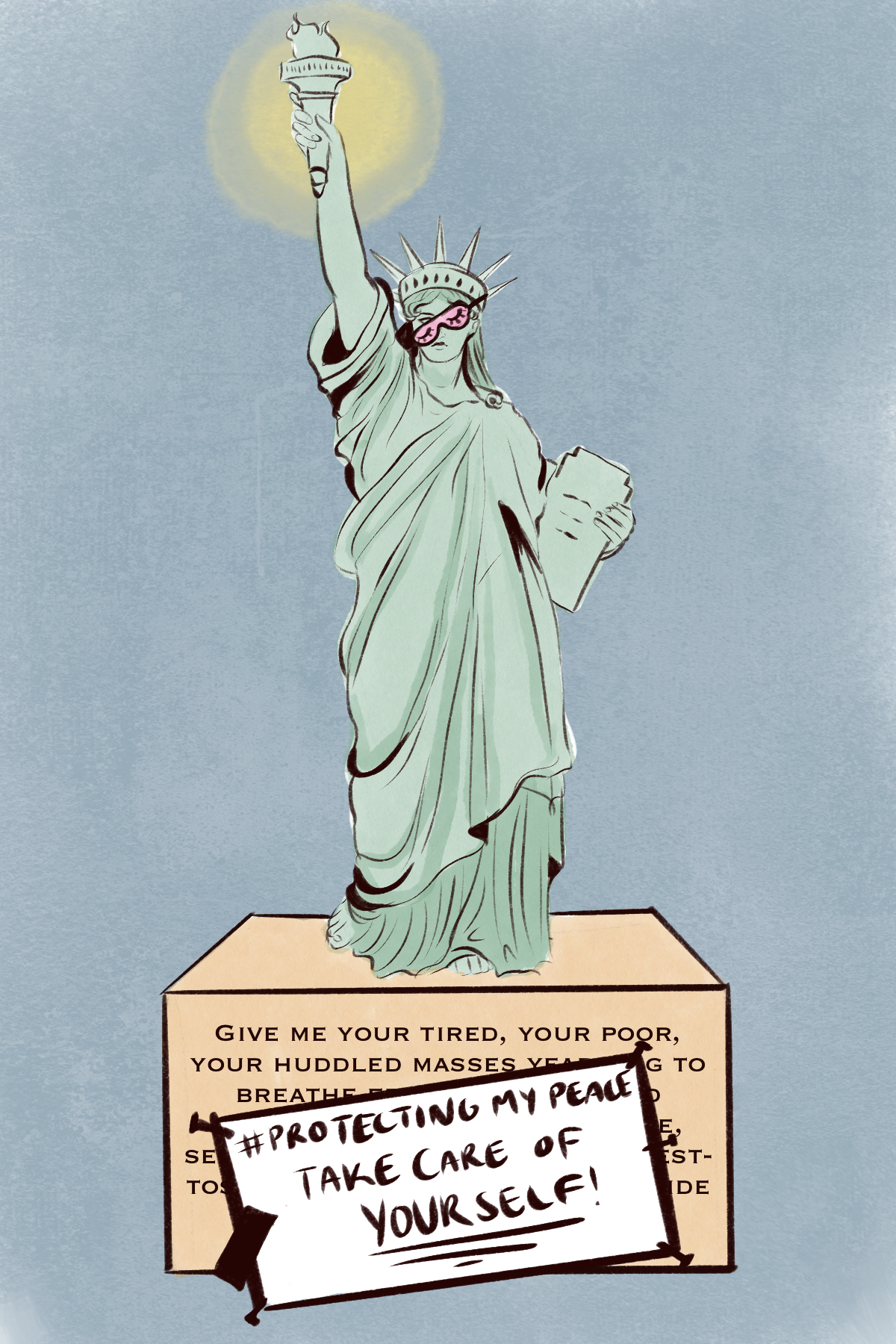
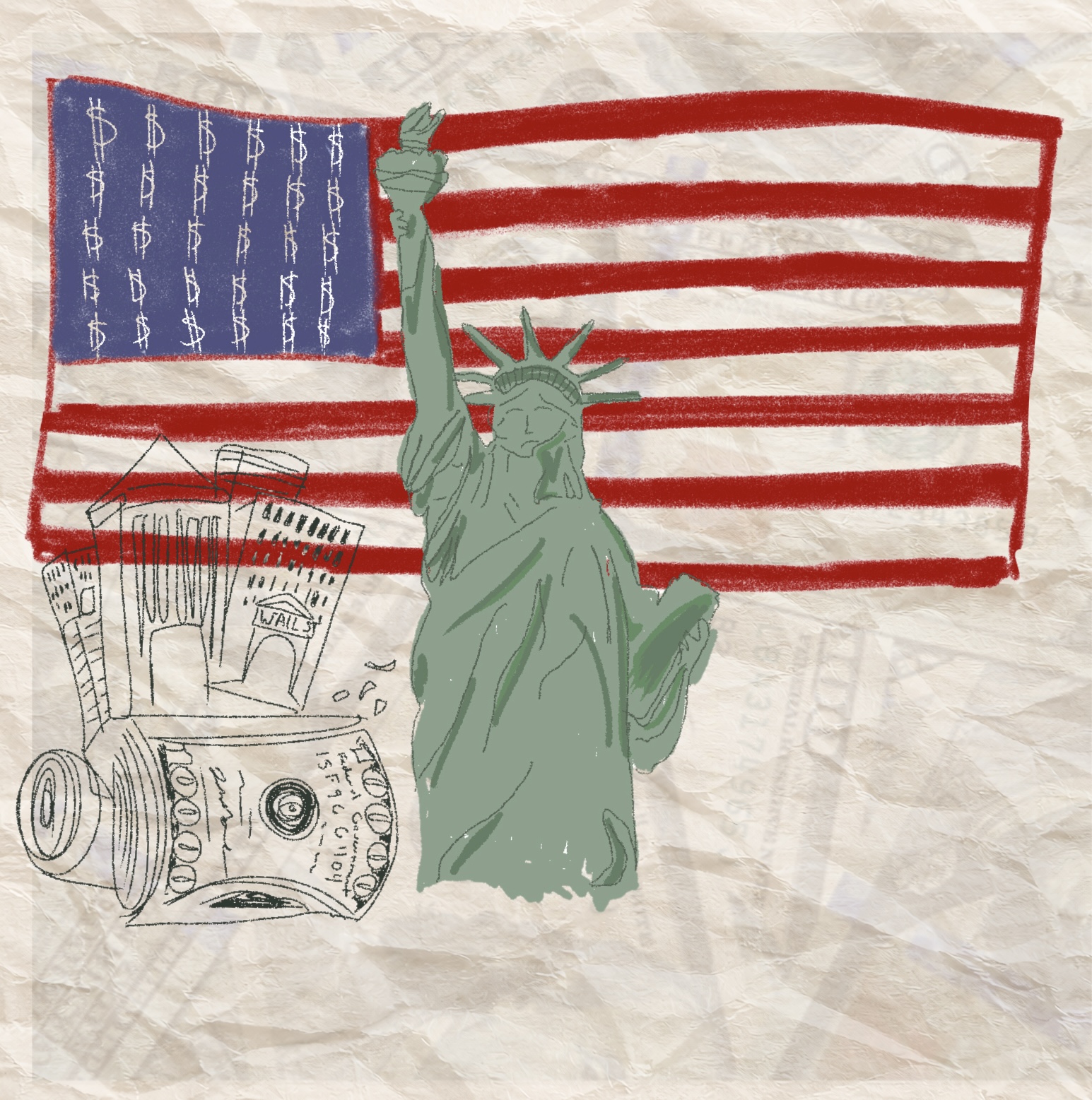
America is often celebrated as the land of opportunity due to the promise of “The American Dream.” For generations, the promise of working hard, achieving success and attaining a better life has attracted many. Yet for many Americans, systemic barriers and economic inequality have made that promise seem illusory. This American Dream hustle mentality has taken a toll on the mental health of these individuals. When the opportunity to succeed seems unattainable, it creates stress about the future and leads many to attribute the problem to their own shortcomings rather than to systemic issues.
Poet Langston Hughes captures this frustration in “Let It Be America Again,” writing the following.
“To build a ‘homeland of the free.’ The free? Who said the free? Not me? Surely not me? The millions on relief today? The millions shot down when we strike? The millions who have nothing for our pay? For all the dreams we’ve dreamed and all the songs we’ve sung, and all the hopes we’ve held, all the flags we’ve hung, the millions who have nothing for our pay – except the dream that’s almost dead today,” Hughes wrote.
This quote expresses the frustration many feel regarding inequality and the emotional toll of exclusion from opportunity. Hughes highlighted the economic oppression one can feel due to unfair treatment not because of his ability, but because of the system. These opportunities being out of reach and the lack of financial security alongside systematic inequality can be linked to higher levels of stress, anxiety and depression.
Data supports this contradiction and illustrates how financial freedom has changed over time. According to the Congressional Budget Office, household incomes have risen since 1972, with a 200% increase for the top one percent, and the gap relative to everyone else is widening. Martha Teichner discussed the growing gap in a CBS segment called ”Is the American Dream Still Alive?” in 2015.
“Simon and Robert Putman argue that this widening income gap has led to a widening and dangerous opportunity gap based on social class. Children’s futures are dictated by their parents’ affluence and education. It’s not just the American economy that’s pulled apart, leaving out the middle; it’s the American society that has pulled apart into rich and poor families,” Teichner said.
Families and individuals negatively affected by the income gap are also more likely to have their mental health similarly negatively affected. NBC News reported that one survey on mental health found that 52% of the 2,457 respondents said that of all potential factors, it was money that took the biggest toll on their mental health, with health concerns and current events as the next most impactful factors. The survey also found that 56% of respondents who described money concerns experienced those concerns at least once a week.
The pressure to achieve the American Dream is putting pressure on youth as well. Content on social media platforms catering to young audiences often reflects a popular trend toward a “grind” mindset. With social media becoming a significant part of Gen Z life, seeing influencers and the picture-perfect lives of others could cause individuals who struggle to reach these milestones to feel that they’ve failed. In a PBS report, Gail Cornwall found that youth pressured by “perfectionistic expectations,” who often “subscribe to grind culture,” experience anxiety, depression, inefficiency, lack of intrinsic motivation, contingent self-worth, burnout, sleep loss and more symptoms.
When success stories are represented as proof that anyone can succeed, individuals who struggle may internalize the idea that their difficulties are personal failures rather than the result of systemic barriers. Success stories can overlook systemic barriers that many Americans face, disregarding the many struggles and fights that people from marginalized groups face. Many people today deal with increasing pressure to succeed in a competitive economy while navigating rising housing, education, and living costs. Social media amplifies the issues and tension within our government, which only makes success feel difficult to achieve; many are experiencing anxiety about their future. The New York Times discusses the feelings teens are dealing with now in the article “Today’s Teenagers: Anxious about their futures and disillusioned by politicians,” revealing that only 15% of Gen Z individuals polled felt that their mental health was excellent, alongside an increase in concern about the political state of America.
Many in America, especially young people, are finding themselves in a time where there is more political polarization and tension concerning the economy and financial insecurity. The American Dream was built on the promise of freedom and opportunity, but when systemic barriers limit access to education, financial stability and overall opportunities, freedom lacks even distribution. True freedom means having both the opportunity and the stability to pursue one’s goals and mental wellness without constant fear of failure or financial insecurity.