“You’re damn right we’re going to have ICE surround the polls. Come November, we are not going to sit here and allow you to steal the country again. And you can whine and cry and throw your toys out of the pram all you want. But we will never again allow an election to be stolen,” said White House Chief Strategist Steve Bannon during a February 3, 2026 episode of his “War Room” podcast.
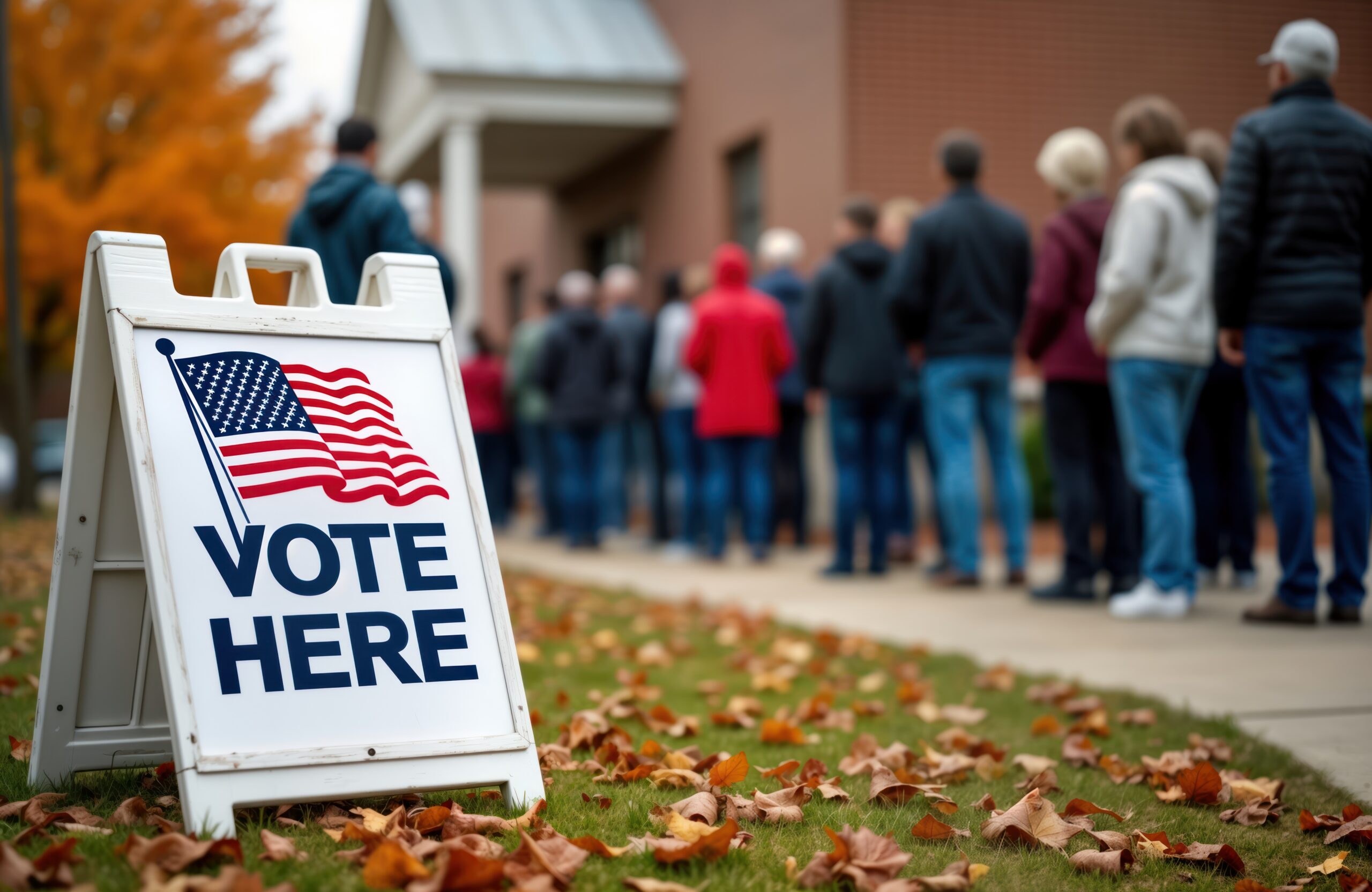
This quote is one of many polling threats that have been circulating in the media with the sole purpose of discouraging voters from voting in the upcoming 2026 midterm elections. While these threats toward voters might seem like an anomaly to many, a look into American history shows this situation is more of a recurring pattern, from poll taxes and literacy tests of the Jim Crow era to modern efforts targeting polling locations and spreading fear through podcasts and social media posts from politicians. Although these tools are evolving, the goal remains the same: raising the stakes of voting until fear outweighs civic duty.
Voting as a citizen is our primary tool to check power and to keep democracy. Yet with the continuous threats toward minority communities, the perspective of voting has shifted from being seen as a tool to a risk. Gallup Poll, in collaboration with the civic institution The Kettering Foundation, conducted its most extensive annual study of how Americans experience democracy. In their featured report, “Democracy for All Project: Frustration Rises, Commitment Endures,” they surveyed over 23,000 Americans from all backgrounds. In one section, they asked about the specific concerns and fears about the upcoming 2026 November midterm election.
Their findings showed that 57% of the individuals polled indicated that they feared people gathering near polling places to intimidate voters, alongside half of respondents being concerned over ballots not being properly handled and 67% of participants expressing concern that political leaders will pressure election officials to distort election outcomes. These concerns aren’t new and are more prominent leading up to election day, as American political scientist Charles Stewart notes.
“The 2026 election will be conducted under extraordinary pressure because political actors aligned with the Trump Administration are attempting to delegitimize and, where possible, disrupt it,” said Stewart in a recent “Political Science Quarterly” article.
Although these public concerns are valid due to the aggressive posturing, we must understand what voter intimidation is: psychological warfare. An agenda that is seen time and time again throughout American history is to disenfranchise minority communities. Women protested and fought for their right to vote from 1848 at the first Women’s Rights Convention to 1920 when the 19th Amendment legalized voting regardless of sex. This law allowed women to vote, but that didn’t mean it was an easy decision for women to go to polling locations; many endured being spit on, shoved, and encountering verbal abuse. Suffragists endured violence, were forcibly handled by guards, were spit on by groups near polling sites, and faced societal judgment. Poll taxes were ways that leaders would limit voting for lower-income citizens. Literacy tests were required for voting in the United States in 1970 and often used to disqualify people, minorities, and those without access to good education.
History offers a lesson: this perseverance to fight for the right to vote and the persistence of fear tactics and policies to limit minorities from voting shows the importance of communities’ votes carrying decisive power. These threats toward the ballot box aren’t a sign of absolute authority, but a reminder of the power of a community voting.
These intimidation tactics aren’t a sign to retreat, but a sign to resist and to prepare. Protect your voice as a voter; check your registration status early, take advantage of the early voting window, find your nearest polling location, volunteer as an election worker to guide your community, and research candidates. The urge to walk away from a system that seems to be broken is understandable, but history demonstrates that democracy only survives when the community refuses to yield. To verify your registration status, confirm your voting eligibility, or sign up to serve as a local poll worker, check your state’s official resources through voterstatus.sos.ca.gov, Vote.org, or https://www.eac.gov/help-america-vote.