
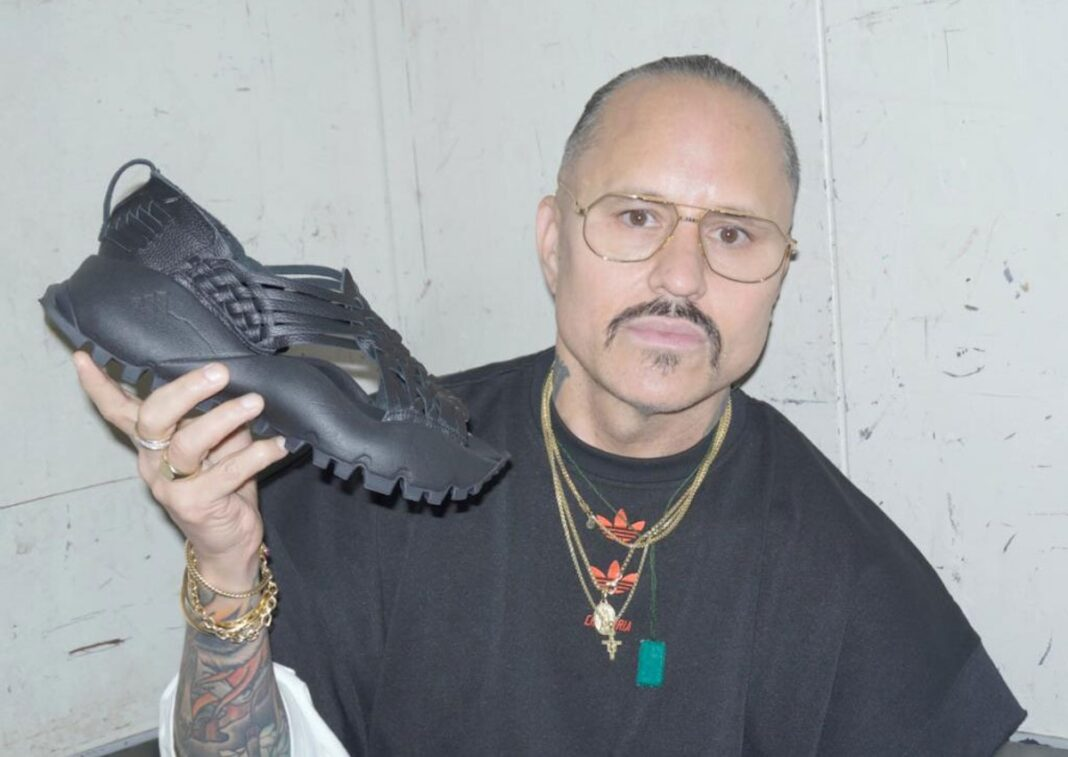
In a recent collaboration between athletic-wear conglomerate Adidas and an internationally known fashion house, Chavarria, a bold reinterpretation was taken on a historically rich design that holds great cultural significance for Chicano households; but it might have been a poor misstep.
The “Chavarria Oaxaca Slip-On” is the new footwear creation from a fashionably momentous collab that has since been met with controversy and an apology from the Central Valley designer, Willy Chavarria. The design even incited the pragmatic attention of Mexico’s president Claudia Sheinbaum Pardo, massively calling into question whether the design is a symbol of cultural appropriation or appreciation and how to remedy any future plagiarism.
Chavarria has taken pop culture by storm, redefining an exaggerated use of fabric and grit for luxury fashion. He popularly reinterpreted the runway to include more models of color, and highlights the influence of his origin, growing up within a community of immigrants and poor has informed his choices as a designer. The fashion brand is nostalgic, statuesque, and deeply rooted in Chavarria’s personal history, promoting a sense of personality and serves as a reflection of modern American style that is comfortable, classic, and sometimes controversial.
This summer, the designer used his platform to protest the dehumanization by ICE officers at Paris Fashion Week. In a deliberate and colorful reflection of self, he debuted a line he called “HURON” after his hometown, a pocket in the Central Valley where immigrant laborers live and work. Giving thanks to his roots, he has breathed a unique perspective into the fashion world that has become recognizable worldwide, which would have otherwise gone unnoticed. Artists like Bad Bunny, Doechii, and Kendrick Lamar have proudly donned his eye-catching looks of emboldened fashion.
Chavarria’s brand is a fresh upliftment of Mexi-styles, popularizing and marketing cholo-culture to an elevated audience. Adidas has built their company alongside the evolution of that style with the forever iconic Superstar sneakers and influence of hip-hop. The collaboration was a big victory for the Central Valley designer and was bound to shock the fashion world; it did just that and more.

He missed the mark with the lucrative collab with Adidas with a design that should have been thoroughly tested out with more audiences before launching it at an Art Museum in Puerto Rico. Chavarria noted that this collaboration is to pay homage to his heritage, and as a Chicano himself, he took a step in a new direction for style that stepped on several toes.
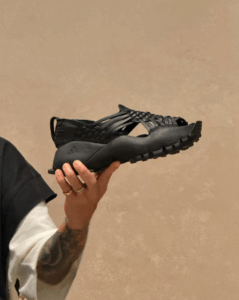
Chavarria’s Oaxaca slip-on is sleek black, with a chunky athletic rubber sole that serves as a stark contrast between the small leather upper pattern that is similar to the popular artisanal design of a huarache. Chavarria’s take is a modern sneaker huarache hybrid.
While the sneakers are called Oaxaca, there is nothing Oaxaqueńa about the shoes – these sneakers are made in China, having no direct relation to Mexican people other than the leather design.
Blending an indigenous design to accompany a modern sneaker sole welcomed a backlash of people calling the designer out for plagiarism and cultural appropriation online, also calling into question who deserves the credit and the profits for the hybrid design from the prolific collab.
Chavarria issued an apology soon after. “To the people of Oaxaca,” wrote the Huron designer. “I want to speak from the heart about the Oaxaca slip-on I created with Adidas. The intention was always to honor the powerful cultural and artistic spirit of Oaxaca and its creative communities – a place whose beauty and resistance have inspired me. The name “Oaxaca” is not just a word – it’s living culture, it’s people, and it’s history.
“I am deeply sorry that the shoe was appropriated in this design and not developed in direct and meaningful partnership with the Oaxacan community. This falls short of the respect and collaborative approach that Oaxaca, the Zapotec community of Villa Hidalgo Yalalag, and its people deserve. I know love is not just given – it is earned through action.”
The heartfelt apology might have been helpful to undue the immediate damage of the sneakers’ near drop, but more could definitely be done to honor the design that represents a true Mexico, specifically the resilient and resourceful Mexican artisanals who take pride in their craftsmanship.
The collab could have employed real artisan huarache makers to mass-produce the line of footwear. That would generate a better sense of authenticity and better utilize the efforts from people whose craftsmanship goes centuries deep.
The sandals are a unique design for a type of shoes that is especially unique to pre-Columbian Mexico. With an origin predating Euro-colonization, the two major Meso-American civilizations, the Aztecs and the Mayans, were cited to have derived the design that outlived their respective civilizations and has since inspired centuries of new huarache designs and subsequent innovations to the design.
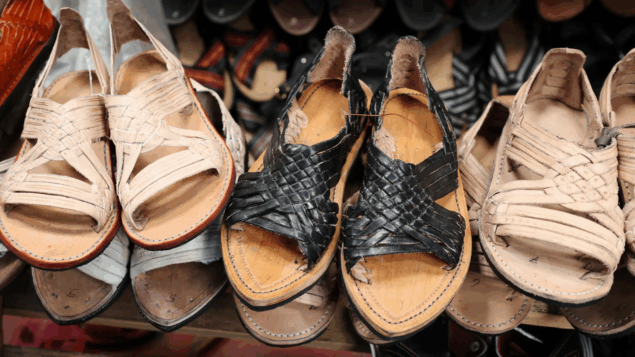 The huarache is a practical sandal for everyday use that has been a part of Mexican culture for centuries. A handcrafted design that is sustainable, traditionally using upcycled rubber soles and leather. This leather interwoven design is handcrafted to perfect durability. Most zapaterias (shoe stores) in Mexico market these fashionable sandals as generally affordable, an economical necessity for people to move comfortably. The intricate upper designs and leather soles are made to mold themselves to the wearer, promoting comfort through individuality. These shoes, once successfully broken in, are authentically yours due to its sensible leather.
President Sheinbaum noted that often big companies take the designs and ideas from Indigenous people to be mass-marketed and consumed without paying a penny to their originators. Sheinbaum was working in the southern Mexican state of Oaxaca to provide “compensation for the people who were plagiarized,” and that her government was preparing legal reforms to prevent the copying of Mexican handicrafts.
Indigenous people and their creative work should and deserve to be protected from aesthetic thievery. More outspoken efforts deserve to call out major brands from stealing and profiting off designs that are not rightfully theirs to take.
This was a remarkable moment for Indigenous rights as it relates to fashion and may elevate the work of the artisanal huarache makers that are right outside your door. They may be making a few shoes a day, but do not discredit their authentic originality that is needed for the crafting of each pair. Instead of pledging support for big name brands, support your local zapaterias who are crafting a true Mexico one leather braid at a time.
The popularly rejected shoe design should inspire artists to distinctly see the impact of Indigenous culture in multiple spheres of life and uplift those efforts rather than being apathetic and going over their heads. Maybe it seemed like an edgy design, but the implications of its use harbors the potential for more harm than any morally fashionable choice.