Chronic absenteeism is a major issue that plagues many school districts today, particularly in the Central Valley, according to a recent study conducted at Stanford University. This problem is only being exacerbated by the rapid expansion of workplace immigration raids across the Central Valley by the U.S. Border Patrol. Studies surrounding this topic have taken a deeper look at the link between the academic struggles of our youth and increased immigration raids and have highlighted the importance of advocating for immigration reform to protect our youth and their futures.
In the early months of 2025, the Central Valley saw a dramatic expansion of local immigration raids across multiple counties. Operation Return to Sender, conducted by U.S. Border Patrol, targeted Kern County in January following the certification of the 2024 presidential election, with multiple workplace immigration raids in agricultural areas and hardware stores, as reported by The Central Valley Pride Center. The Fresno Bee reported that in the first seven months of President Donald Trump’s second term, U.S. Immigration and Customs Enforcement (ICE) arrests have risen a whopping 58% in the Central Valley in comparison to the rates at the same time last year.
While this increase in deportations and arrests will have definite effects on individuals and families in the community as well as the local economy (undocumented individuals in California contribute nearly $8.5 billion in state and local taxes, in addition to providing labor in the agricultural sector, according to the California Budget & Policy Center), studies also point to a significant impact on children in the classroom.
A study conducted by Jacob Kirksey and Carolyn Sattin-Bajaj in 2021 examined the associations between county-level immigration arrests and academic achievement, absenteeism and measures of school climate and safety for students in the California CORE districts, which serve over one million students across 6 counties. These researchers used data spanning from 2014 to 2018, covering former President Barack Obama’s second term and the first year of Trump’s first presidency. The findings showed significant negative associations between the number of immigration arrests and the math performance of Latine students and perceptions of school culture, climate and sense of safety. The study also found that an increase in the number of immigration arrests is tied to an increase in absenteeism. These relationships proved to be stronger during the time of Trump’s presidency, possibly due to an influx of xenophobia on a national level and the more publicized and aggressive nature of the raids.
A more recent study, conducted at Stanford University by Thomas S. Dee, focused more specifically on the effect of immigration raids on California’s Central Valley. This study used data from five Central Valley school districts across three years in comparison with the months following Operation Return to Sender raids in Kern County. The research demonstrated a 22% increase in absenteeism following this increase in immigration raids, amounting to 725,000 student days lost throughout the time period. This increase in absenteeism most sharply affected children in the pre-K to fifth grade range, with high schoolers being the least affected. Dee pointed out that anecdotal accounts cited fear of familial separation due to workplace raids as a leading cause for this absenteeism.
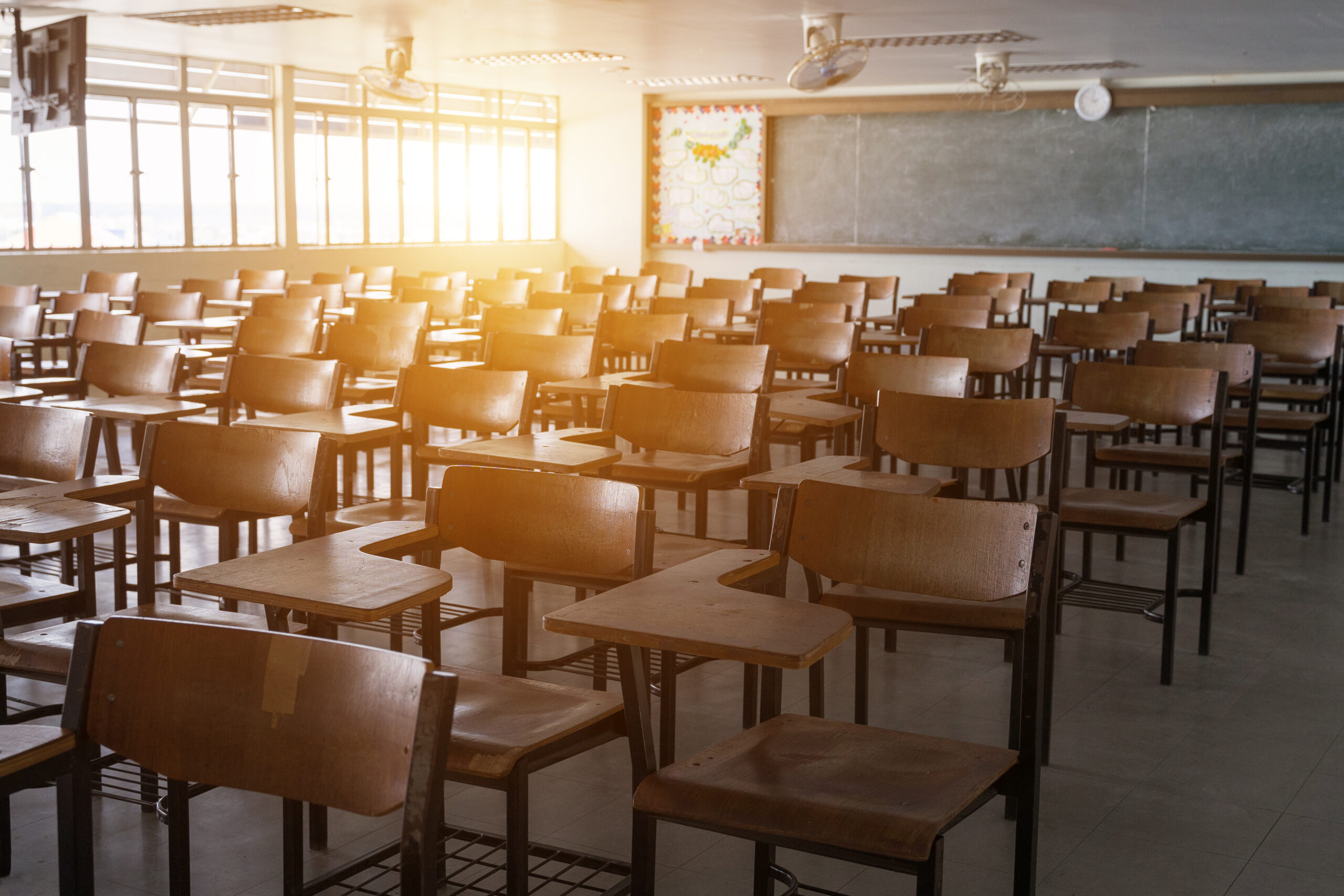
Beyond the fear of deportation leading to increased absences, the deportation of students and their families has left growing gaps in classroom communities. Young students across our community are showing up to school to face the empty seats where their friends, neighbors and classmates once sat.
An educator in Fresno Unified, who has requested to remain anonymous, shared her experience in a heavily migrant-populated community.
“Our numbers [of students] have gone down coming into the school year, so we had to let some teachers go because of that. In fact, [in] the fifth grade classroom, there was talk about collapsing us into one because our numbers were so low,” she said.
The educator added that student wellbeing has also been impacted due to the change in school climate brought on by the increased immigration raids.
“This one girl I remember [saying] she’s just scared. She’s scared to walk home. She made sure her mom was always picking her up because she was just afraid. As an educator, as a citizen, you just kind of feel hopeless,” she said.
The implications of these studies on Latine students in the Central Valley and California as a whole are vast. Increased absenteeism only adds to the pre-existing challenges of academic recovery post-COVID, as many schools already struggle with chronic absenteeism. In addition to lowered academic performance as a result of absenteeism, enrollment loss and increased absences are likely to lower the state aid that schools receive. This possible reduction of funding means fewer resources put toward already stressed and traditionally underserved students who are fearing separation from their families.
Valeria, a student in the Central Unified School District, shared her experience attending classes amidst the increased raids.
“I feel stressed, sad and frustrated that students have to worry about this on top of school. It’s hard to focus on learning when you’re thinking about whether your family is safe. No student should have to carry that kind of fear,” she said.
Valeria explained that even though the overall climate at her school is sturdy, there’s a noticeable weight carried by students, and that it’s clear that some students are absent for reasons beyond being sick or tired. She recalled that during a time when posts started emerging announcing ICE’s presence in Fresno, some students stayed home out of fear of being separated from family.
While the long-term effects of this year’s raids have yet to be determined, it is clear that the recent increase in immigration raids and xenophobia is poisoning the success and well-being of our communities, and it’s starting with our youth.
“You just have to look around and see some of the gifts that we’re given with immigrants. It’s just kind of like the thread of what America is. But to build such fear and distrust, it’s a shame because it’s very crippling,” the anonymous educator shared.
It’s time to advocate for immigrant rights and immigration reform. Support your local community, join advocacy programs, contact government officials and donate to groups that work to fight for immigrant rights. The National Immigration Forum offers a list of resources for Dreamers, essential immigrant workers, and TPS immigrants. Immigration Advocacy Network provides educational materials, webinars and podcasts with resources on supporting nonprofits and pro bono immigration services. Central Valley Immigrant Integration Collaborative, located in Fresno, offers a variety of services to the families of the Central Valley. Consider supporting these organizations or sharing the information they provide.